
Start a chapter.
One Sky. Many Cultures. Shared Joy.
A kite rises because someone holds the line. A fellowship grows because people hold a shared purpose. Bring the Rotary Fellowship of Kites to your city and turn a simple act of play into lasting friendship.
Draft guideline, 16 November 2026. The standards and procedures here are proposed and become binding once adopted by RFOK leadership. Rotary International policies and local requirements always come first.
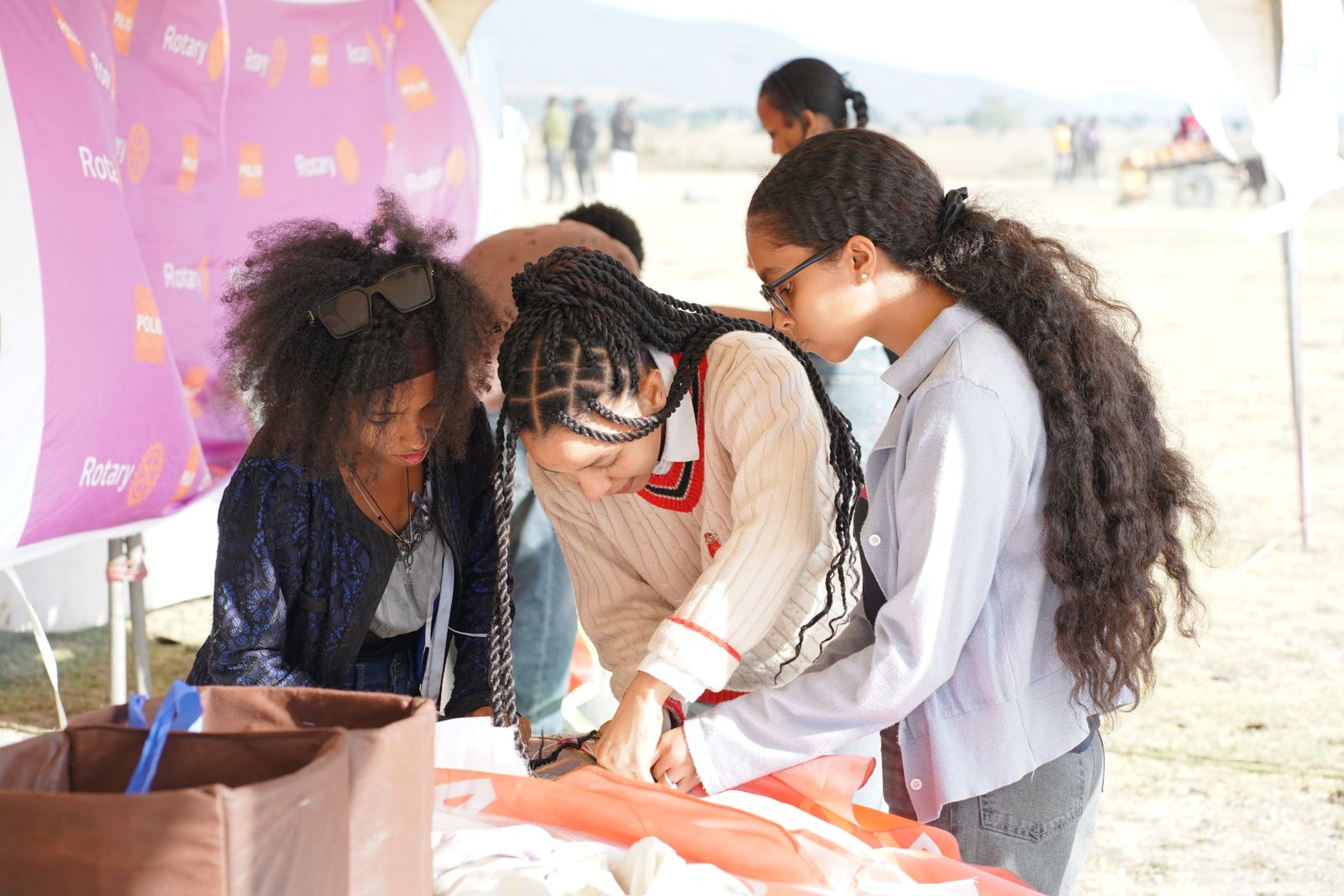
What a chapter is for
A local chapter belongs to the international Rotary Fellowship of Kites. It makes it easier for people to:
- Fly togetherMake and fly kites, with beginners warmly welcomed.
- Share traditionsExchange kite designs, skills and stories across borders.
- Build friendshipBring together Rotarians, Rotaractors, families and neighbours.
- Grow young peopleOffer creativity, teamwork and learning.
- Carry peaceLink shared joy with peacebuilding and care for the environment.
Kite flying and friendship stay at the heart of it. A chapter is not a new Rotary Fellowship or a Rotary club, and joining doesn't make anyone a member of a Rotary, Rotaract or Interact club. Anyone interested is welcome, and nobody needs to own a kite.
Are you ready?
Tick what your group already has. It's a quick self-check, not a test.
Start ticking. Most groups have two or three on day one.
Seven steps to your charter
From first idea to first flight. Most of the work happens in steps 2 to 4, with friends around a table.
Raise the idea
Tell RFOK where you are, who is organising, who might join and why. Ask for the current bylaws, identity files, existing chapters nearby and the confirmed fee schedule. The application form below does this for you.
Gather the founding circle
Hold an introductory meeting, explain the fellowship, record who's interested and agree on an interim organising team. Call yourselves a proposed chapter until you're approved.
Build the chapter plan
Agree on leadership, local scope, inclusion, first activities, safety and a modest budget. Talk to nearby chapters so nobody overlaps.
Adopt the founding documents
Record the founding resolution, approve your chapter rules, choose officers and authorise someone to apply. Collect member information only with consent.
Submit the application
Send the complete package to RFOK. The secretariat checks it and the governing body approves, asks for changes or explains a refusal. The aim is to respond within 30 days of a complete submission.
Receive written recognition
RFOK confirms your approved name, effective date, chapter reference, officers, dues and any conditions. Announce your charter publicly only after this letter.
Launch and fly
Hold a safe charter celebration and send a short launch report within 30 days, with consented photos and a clear account of money received and spent.
Who holds the line
Seven roles keep a chapter flying. Small chapters can combine some of them.
Chair
Coordinates the team, represents the chapter and keeps in touch with RFOK.
Secretary
Minutes, membership records, correspondence and reports.
Treasurer
Accounts, receipts, budgets and dues records.
Membership lead
Welcomes members, supports inclusion and connects with other chapters.
Activities & safety
Plans events, assesses risks, briefs volunteers and oversees safe flying.
Safeguarding contact
Coordinates youth protection and receives concerns.
Communications
Uses approved branding and shares accurate, consented stories.
Good practice
One-year renewable terms, an annual election, a quorum of half the voting members, and two people approving every expense.
A safeguarding concern about an officer must always have another route to report it. Keep chapter money separate from personal funds, and have someone other than the treasurer review the books every year.
Fly safe, every time
Adapt these to your venue, your kites and local aviation rules.
- Choose open ground away from power lines, roads, railways, airports and buildings. Check permission, airspace rules and height limits.
- Use plain, non-conductive line. Never metal, glass-coated or cutting line. Keep spectators clear of flight lines.
- Name a flight director who can stop flying. Stop for lightning, unsafe wind or poor visibility.
- Large, high-pull kites are for trained handlers only. Never tether a child to a kite.
- Brief everyone, arrange first aid, and record incidents. Never pull a kite out of power lines; call the utility.
- Get guardian consent, supervise youth spaces visibly, and have a missing-child plan.
- Ask before photographing, and offer a way to join in without being photographed.
- Pick up every line, tail and broken part. No kite or balloon releases.
A first year worth sharing
Ideas to fill your calendar.
| Welcome and first flight day | Meet members and teach basic handling |
|---|---|
| Make a Kite, Share a Story | Swap local traditions and building skills |
| Soar for Peace | A shared flight with peace messages and real conversation |
| Pollinator Kites | Butterfly, bee and bird designs with gardening partners |
| Kites and Classrooms | Wind, lift, balance, art and teamwork with teachers |
| One Sky chapter exchange | Meet another chapter online or in person |
| Annual community gathering | Celebrate, welcome new members and share results |
A good rhythm: one member gathering each quarter, two public activities a year, and one international exchange.
The charter celebration
About 75 minutes, ending with kites in the air.
“We join the Rotary Fellowship of Kites to share joy, build friendship, and welcome people across cultures and generations. We will fly safely, care for our environment, protect those entrusted to us, and lead with honesty and respect. May every kite we raise open a friendship and carry a message of peace.”
Suggested chapter pledge. Optional RFOK ceremony language, not a Rotary International oath.
Apply for a chapter
Three short steps, about five minutes. You don't need everything finished: send what you have and we'll help with the rest.
What happens next
- Your application goes straight to the RFOK team at info@rotarykites.org.
- We'll reply with the bylaws, identity files and fee details you need.
- You can keep a printed copy of your answers for your founding meeting.
Have ready if you can
- Founding member count and three officers
- Your first activity idea and a rough date
- Safety and safeguarding contacts
Questions
Who can join a chapter?
Rotarians, Rotaractors, artists, educators, kite lovers, families and friends of Rotary, following current eligibility and safeguarding policies. Youth take part with guardian consent, supervision and suitable safeguarding. Adult membership terms and voting rights don't automatically apply to minors.
What does it cost?
Ask RFOK for written confirmation of the current international membership fee, billing period and payment method before collecting any money. Keep international dues, local chapter dues and event charges separate, and explain what each covers. There is no charter fee.
Do we need a sponsoring Rotary club?
A partner Rotary or Rotaract club is encouraged but not assumed to be required. If RFOK adopts a sponsorship requirement, we'll tell you when you apply.
What do we report after launch?
A short launch report within 30 days, a brief quarterly update on members, gatherings, partners, finances and next steps, and an annual review. Report incidents promptly through the confidential channel rather than waiting for a routine report.
Can we use the RFOK logo?
Yes, once approved. Use the fellowship's approved name and visual identity with your location. A chapter certificate is issued by RFOK, not by Rotary International.
Our weather isn't good for flying. Can we still launch?
Absolutely. A kite-making gathering is a perfect launch activity when it isn't safe or practical to fly outdoors.